This is a lightning talk I gave at MongoDB World 2022.
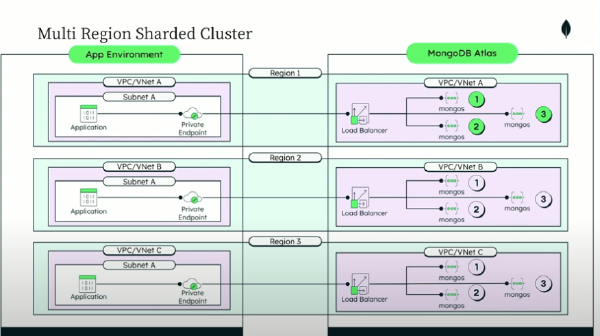
As your application continues to grow and scale, you may choose to take advantage of powerful MongoDB Atlas features, such as multi-region clusters and sharding, in order to provide a good user experience. While these features are useful, they can also introduce complexities to your application’s architecture if configured incorrectly. In this session, we’ll look at common architectures when designing multi-region sharded clusters and walk through how MongoDB Atlas allows your team to securely connect to each of the clusters without exposing unnecessary components to the public internet.
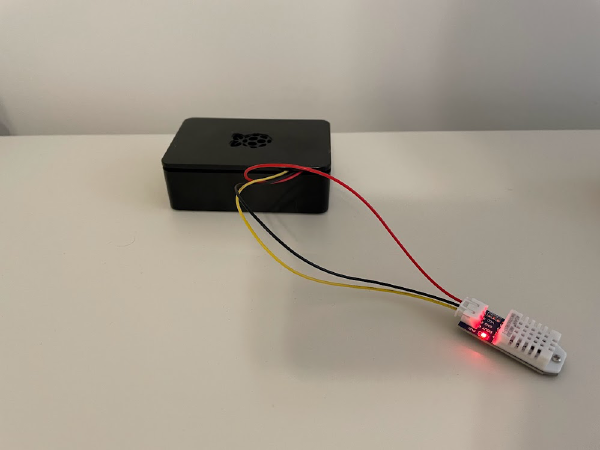
Background # Several years back, I received a Raspberry Pi 3 Model B+ kit from CanaKit alongside this book. I spent some time doing the basic stuff with it (blinking LEDs, running a Linux server, etc.) but eventually turning it into a RetroPie and installing lots of retro games on it. After a while, I lost interest in tinkering with it and just let it collect dust in my office for a number of years.
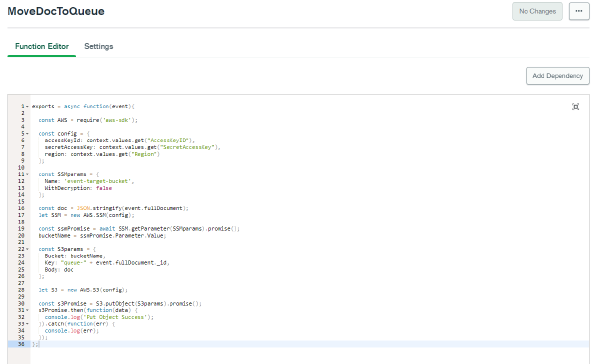
Most developers by now are familiar with MongoDB, a NoSQL database that stores data as documents instead of rows. MongoDB’s fully managed service product, MongoDB Atlas, comes with MongoDB Realm, which is a set of services that help facilitate mobile and web development by providing a scalable, serverless backend for your application. Realm offers a lot of services (more than we can cover in just this post), but today I wanted to focus on how to use two of them in tandem to help connect a MongoDB Atlas database into a distributed, event driven architecture that can be built on AWS.