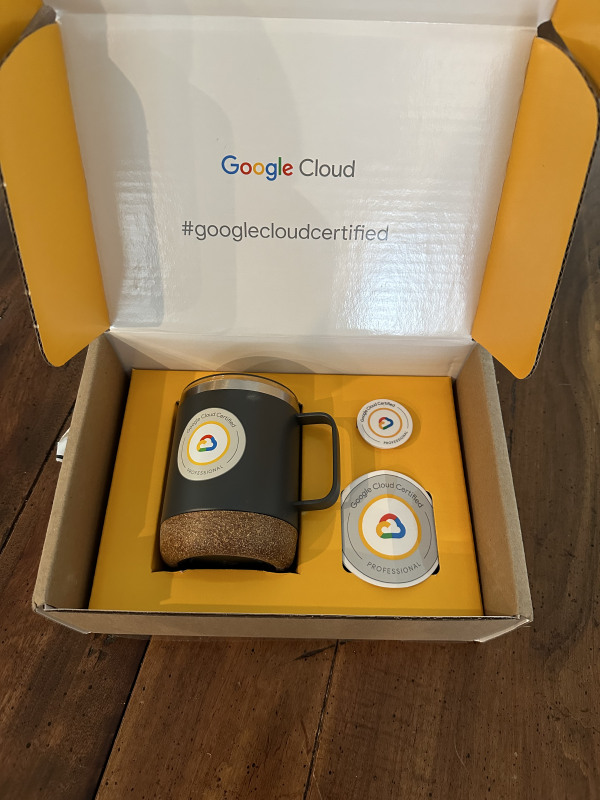
Introduction # Earlier this year, my team was provided access to a training budget for Google Cloud Platform that we could use in various ways to purchase classroom trainings or licenses to Google’s on-demand training platform, Cloud Skills Boost as well as a number of exam vouchers that could be used on various GCP certification exams. While I had previously worked almost exclusively with AWS (only using GCP for some testing of private service connect), I knew that I had some upcoming projects that required me to build services on GCP. For that reason, I jumped at the opportunity to take advantage of this training and hopefully prepare myself enough to write an exam at the end of it.
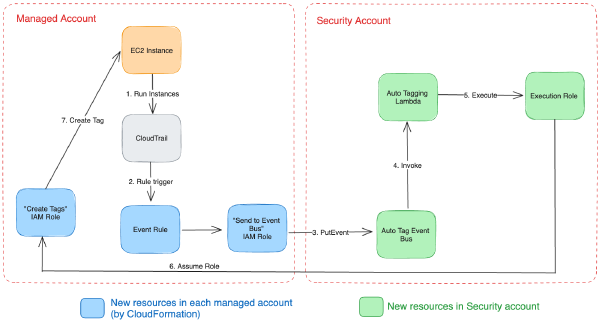
Background # One of AWS’ best practices for building and managing infrastructure in the cloud is to use consistent, accurate tags for the purposes of cost management, correct owner attribution (during operations and security incidents), and even attribute-based access control. This type of tag compliance can be easier said than done, however, especially when dealing with an organization that has a number of accounts owned by different teams with very different tooling and working styles.
Recently, I had to complete a project that involved running the open source tool Cloudquery to create an inventory of resources in a GCP organization. This assignment turned out to be a great introduction to learning how Google Cloud Platform works, as I had almost exclusively used AWS previously (with only minor trials in both Azure and GCP during that time). Throughout the project, I found myself often mapping certain concepts back to what they would be called or how they would be done in AWS. In doing so, I started to keep score of what I liked more than AWS and what I liked less - and now I’m finally sitting down to organize some of those thoughts.
The annual AWS re:Invent conference has come and gone. As usual, there is an overwhelming amount of new product launches, feature enhancements, and other service offering announcements to parse through. You could spend several days just sifting through all of the information on ‘new stuff’. What I was interested this time, however, was some of the announcements for security-related services and features, especially those that solve pain points I’ve experienced in the past.
This is a lightning talk I gave at MongoDB World 2022.
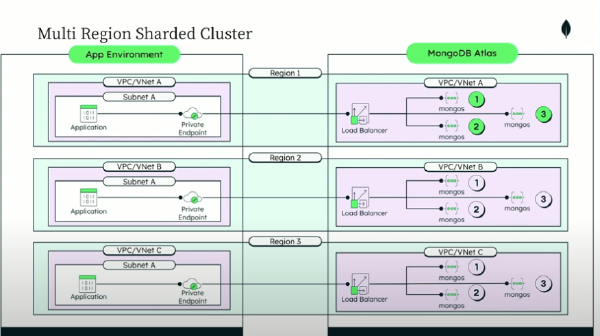
As your application continues to grow and scale, you may choose to take advantage of powerful MongoDB Atlas features, such as multi-region clusters and sharding, in order to provide a good user experience. While these features are useful, they can also introduce complexities to your application’s architecture if configured incorrectly. In this session, we’ll look at common architectures when designing multi-region sharded clusters and walk through how MongoDB Atlas allows your team to securely connect to each of the clusters without exposing unnecessary components to the public internet.
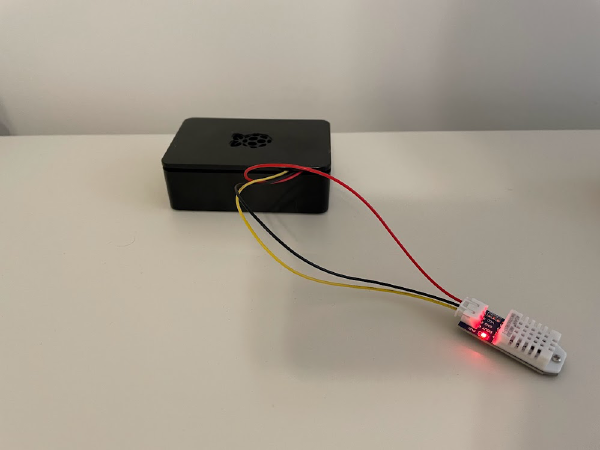
Background # Several years back, I received a Raspberry Pi 3 Model B+ kit from CanaKit alongside this book. I spent some time doing the basic stuff with it (blinking LEDs, running a Linux server, etc.) but eventually turning it into a RetroPie and installing lots of retro games on it. After a while, I lost interest in tinkering with it and just let it collect dust in my office for a number of years.
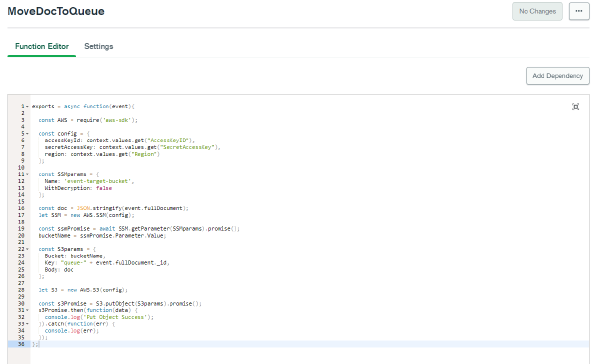
Most developers by now are familiar with MongoDB, a NoSQL database that stores data as documents instead of rows. MongoDB’s fully managed service product, MongoDB Atlas, comes with MongoDB Realm, which is a set of services that help facilitate mobile and web development by providing a scalable, serverless backend for your application. Realm offers a lot of services (more than we can cover in just this post), but today I wanted to focus on how to use two of them in tandem to help connect a MongoDB Atlas database into a distributed, event driven architecture that can be built on AWS.